

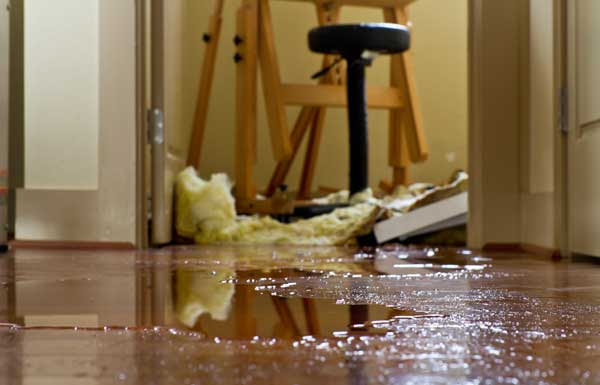
Experiencing a house fire is overwhelming, but the challenges don’t end once the fire is extinguished. One major concern afterward is water damage, often caused by the extensive use of water to control the flames. If left untreated, water damage can lead to structural issues and encourage mold growth. This guide offers practical steps to dry your home and prevent mold after a fire.
Understanding Water Damage
Water damage following a fire often stems from:
- Firefighting efforts: Water used to extinguish flames can saturate walls, floors, and ceilings.
- Plumbing issues: Fire may damage pipes, causing leaks.
Not all water damage is immediately visible. Inspect hidden areas like attics, basements, and crawl spaces for potential issues.
Assessing the Damage
Before addressing water damage, evaluate its scope. Look for these signs:
- Discoloration and warping: Stains or buckling in walls, ceilings, or floors.
- Standing water: Pools of water in affected areas.
- Hidden moisture: Use moisture meters or consult professionals to uncover concealed damage.
Steps to Dry Your Home
Acting quickly is crucial to minimize damage and reduce the risk of mold. Follow these steps:
1. Remove Standing Water
- Use a wet/dry vacuum or pump to clear water from floors and other surfaces.
2. Dry Carpets and Flooring
- Remove soaked carpets and flooring materials to prevent moisture retention.
- Use fans and dehumidifiers to accelerate drying. Replace materials that are beyond repair.
3. Improve Air Circulation
- Position fans to enhance airflow throughout the affected areas.
- Deploy dehumidifiers to maintain low indoor humidity levels.
4. Monitor Progress
- Regularly inspect the area for lingering moisture or mold. Adjust your approach as needed.
Preventing Mold Growth
Mold can begin developing within 24 hours of water exposure. To prevent this:
1. Control Humidity
- Maintain a low humidity level using dehumidifiers and proper ventilation.
2. Clean and Disinfect
- Sanitize affected areas with a bleach-water solution. Wear gloves and a mask to protect yourself.
3. Remove Mold-Infested Materials
- Discard and replace materials like drywall or carpeting if mold is detected to prevent further spread.
Addressing water damage after a fire demands prompt action and expertise. Our team of professionals specializes in emergency restoration services, ensuring your home is safe and secure. Contact us today to learn how we can assist in restoring your property.